All-Weather Decking: Shield Your Investment From the Weather
Weather-resistant decking functions as an essential element in safeguarding outside living spaces from extreme environmental elements. It provides homeowners a reliable solution to prevent issues like rotting and warping. By opting for long-lasting materials like PVC or composite, property owners can accomplish both aesthetics and longevity. Nevertheless, grasping the nuances of various decking options and their upkeep requirements is fundamental for making an informed choice. The sections below will examine these considerations in greater detail.
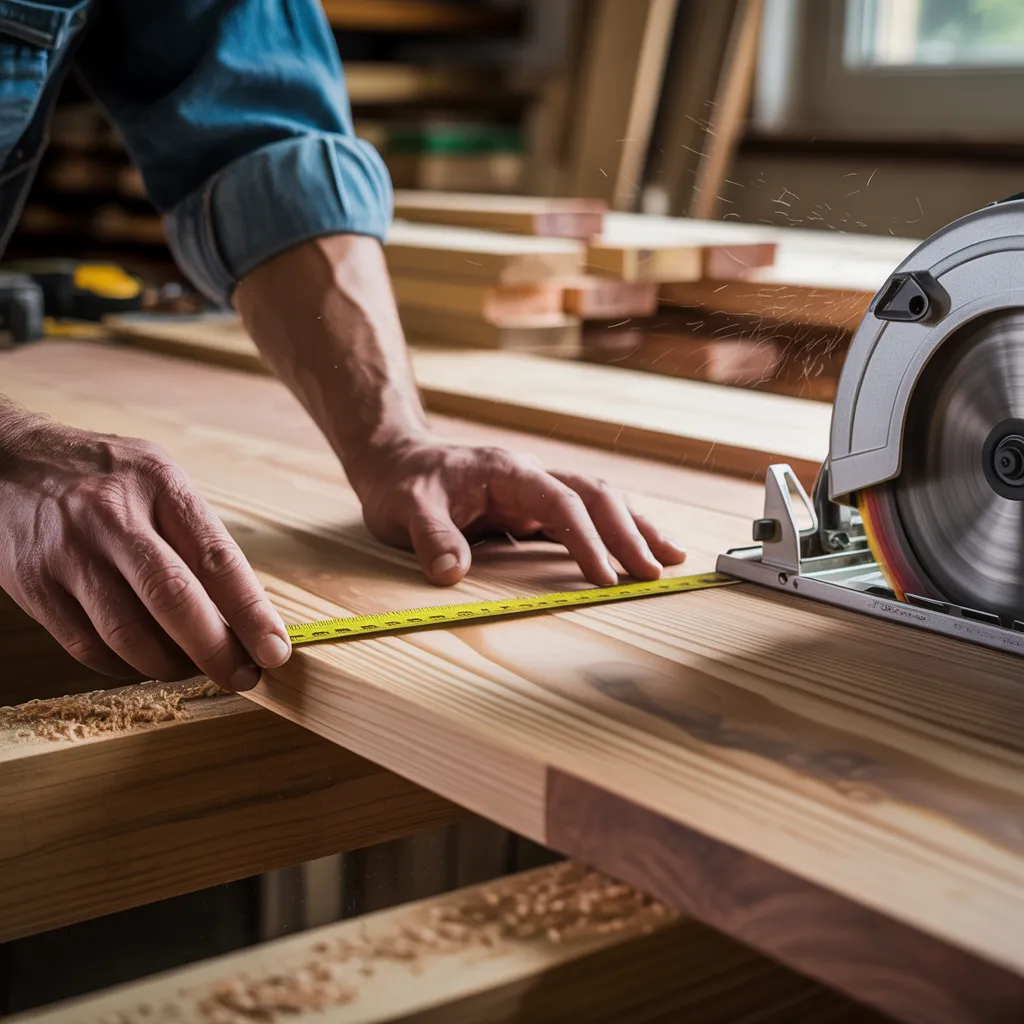
What Is All-Weather Decking and Why You Should Consider It?
Weather-proof decking, built to endure outdoor conditions, offers significant advantages for outdoor spaces. This style of decking is commonly built from materials that repel moisture, UV exposure, and temperature extremes, providing long-lasting strength and reliability. Common materials include composite, PVC, and treated wood, all designed to address problems like warping, decay, and color loss.
Homeowners often seek weather-resistant decking to safeguard their investments, because standard wood decking frequently necessitates ongoing maintenance and renewal. The resilience of weather-resistant options not only enhances the aesthetic appeal but also ensures safety by lowering the dangers connected to slick surfaces. Moreover, such materials are often more environmentally conscious, because they are commonly produced using recycled components. Overall, weather-resistant decking serves as a practical solution for those looking to create a functional and attractive outdoor area that stands the test of time.
Leading Advantages of Weather-Resistant Decking Materials
Weather-proof decking materials offer a variety of important benefits that have made them a preferred option for homeowners. Such materials are recognized for their superior durability and long lifespan, needing less care and attention over time. Furthermore, they deliver remarkable aesthetic value, creating a stunning outdoor environment that remains beautiful for years to come.
Superior Durability and Extended Lifespan
Choosing weather-resistant decking materials significantly enhances long-term durability, making them an ideal option for exterior living areas. These materials are specifically designed to withstand harsh weather conditions, including strong sunlight, heavy rain, and frigid conditions. Unlike traditional wood, which can bend, splinter, or break down gradually, resilient materials retain their strength and aesthetics for years. High-performance composites and synthetic options typically withstand moisture, UV rays, and pests, significantly minimizing the risk of damage. Such durability not only prolongs the life of the deck but also guarantees that it retains its aesthetic appeal. Selecting such options ultimately minimizes repair costs and replacement needs, offering homeowners a durable, budget-friendly option for exterior spaces.
Easy Maintenance Demands
Going with weather-resistant decking materials significantly minimizes the maintenance burden for homeowners. Unlike traditional wood decks that require regular staining, sealing, and painting, weather-resistant alternatives usually demand little ongoing care. These materials are designed to endure moisture, UV exposure, and temperature variations, considerably decreasing the chance of warping, decay, or discoloration. Property owners can anticipate spending less time on time-consuming tasks such as cleaning or repairing, giving them more time to enjoy their exterior spaces. In addition, numerous weather-resistant materials can be cleaned with just soap and water, simplifying the maintenance process even more. This easy-care feature not only reduces effort but also promotes extended cost efficiency, making it an ideal option for property owners wanting to elevate their outdoor environments.
Premium Aesthetic Appeal
As homeowners focus on outdoor beautification, many discover that durable outdoor decking options provide an attractive alternative to conventional choices. Offered in numerous colors, textures, and styles, such materials are able to match every type of architectural style, improving the overall visual appeal of the property. Compared to standard timber, that tends to warp and lose its color, weather-resistant options retain their rich visual quality, ensuring long-lasting beauty. Numerous options are engineered to mimic the look of natural wood, offering a refined look without the associated maintenance challenges. Moreover, contemporary source design advancements enable for effortless blending with outdoor elements and garden furniture, establishing a unified outdoor setting. At its core, the exceptional beauty of weather-resistant decking materials not only enriches outdoor spaces but also elevates the value of the home.
Main Features of Weather-Resistant Decking
Weather-resistant decking boasts multiple notable qualities that position it as an excellent selection for exterior living areas. One key attribute is its ability to withstand extreme weather challenges, including rain, snow, and UV exposure. This resilience is frequently improved by composite and PVC materials, which resist warping, fading, and splintering. Furthermore, many weather-resistant deckings are designed with easy care as a focus, demanding little maintenance compared to traditional wood options. These materials frequently resist mold and mildew, promoting a healthier and tidier outdoor space. In addition, these types of decking typically feature anti-slip textures, enhancing security in wet weather. The color-preserving qualities of these materials further support enduring aesthetic appeal, as they hold their color through the seasons. Taken together, these qualities not only enhance the deck's lifespan but also provide homeowners with peace of mind, knowing their investment is well protected against the elements.
Analyzing Types of Weather-Resistant Decking
When comparing types of weather-resistant decking materials, two widely recognized options include composite and PVC materials. Composite decking is valued for enhanced visual appeal and eco-friendly properties, while PVC decking is recognized for its long-lasting performance and minimal upkeep needs. Grasping these key differences allows homeowners to make educated decisions aligned with their particular needs.
Composite Decking Benefits
Composite decking provides many benefits that establish it as a preferred solution for homeowners looking for resilient and hassle-free outdoor decking options. Crafted from a mixture of recycled plastic and wood fibers, composite materials are resistant to fading, staining, and mold growth, ensuring longevity against weather elements. In contrast to natural wood, composite decking is splinter-free, offering a safer environment for families and pets. Its minimal upkeep needs are equally attractive, as it usually calls for only occasional cleaning with soap and water. Furthermore, composite decking comes in numerous colors and surface finishes, enabling homeowners to match any architectural style. This union of resilience, safety, and flexibility establishes composite decking as a premier choice in the realm of durable outdoor building materials.
PVC Decking Benefits
Durability stands out as a key advantage of PVC decking, making it an excellent alternative to conventional wood and composite options. Unlike wood, PVC decking is resistant to rot, mold, and insect damage, providing a prolonged lifespan with minimal care. Furthermore, it is impervious to moisture, which reduces the risk of warping and cracking common in wood materials. It also provides a broad selection of colors and textures, enabling flexible design choices that improve outdoor appearances. Beyond that, PVC decking eliminates the need for painting or staining, saving homeowners both time and money. Given its capacity to endure extreme weather, PVC decking provides a reliable, low-maintenance solution for improving outdoor areas while shielding investments from weather damage.
Picking Your Weather-Resistant Decking
Selecting the best weather-proof decking demands thorough evaluation of multiple aspects to guarantee durability and reliability. Homeowners should first evaluate the material options available, such as composite, PVC, or aluminum, all of which present individual strengths regarding durability and maintenance.
Furthermore, it is essential to assess the environment in which the decking will be placed. For spaces with extreme weather conditions, materials with high UV resistance and reduced moisture absorption should be considered.
Additionally, the visual quality of the deck should not be ignored; the color and texture must complement the general design of the property.
Financial factors also play an important role; although certain materials may require a greater initial investment, they frequently deliver superior long-term value through lasting performance and lower upkeep costs.
Finally, researching the warranties offered by manufacturers can provide insights into the anticipated durability and quality of the decking products.
Preserving Your Weather-Resistant Deck
Preserving a weather-resistant deck is important for preserving its aesthetics and performance over time. Consistent cleaning is key; employing a broom or blower to eliminate debris helps prevent mold and mildew from forming. A gentle wash with mild soap and water can help maintain the deck's overall surface, while a soft-bristle brush can handle difficult stains.
Inspecting the deck regularly for signs of wear, such as unstable boards or diminished finish, facilitates timely repairs. Using a durable sealant every several years can improve resilience against UV rays and moisture. Moreover, refraining from using harsh chemicals or abrasive tools will preserve the integrity of the material.
Seasonal care is also essential. Clearing snow and ice in winter and guaranteeing proper drainage can help prevent structural issues. By following these care guidelines, homeowners can make certain their weather-resistant decking remains a beautiful and functional outdoor space for years to come.
Discover Weather-Resistant Decking in Person
Weather-resistant decking can be enjoyed in a variety of settings, highlighting its adaptability and visual charm. Homeowners often choose this material for outdoor spaces, transforming backyards into inviting retreats. Within city settings, weather-resistant decking enhances rooftop garden spaces, creating a sophisticated setting for leisure and social occasions.
Common areas, including recreational areas and waterfronts, make use of this long-lasting solution to improve outdoor settings while limiting the need for maintenance. Cafes and restaurants gain advantages too, as weather-resistant decking can withstand harsh conditions, ensuring patrons enjoy comfortable dining experiences year-round.
Moreover, residential communities progressively incorporate this decking material into their layouts, appealing to prospective homeowners looking for low-maintenance outdoor environments. By examining these examples in real life, homeowners can recognize not only the functional benefits but also the visual upgrades that durable decking delivers to different environments. Ultimately, it acts as a testament of the balance between performance and style in outdoor settings.

Common Questions and Answers
How Long Does Weather-Resistant Decking Typically Last?
Weather-proof decking generally lasts between 15 to 25 years, based on the material, maintenance practices, and environmental conditions. Proper upkeep can considerably increase its longevity, guaranteeing long-term value and strength for property owners.
Can Weather-Resistant Decking Be Installed by a Homeowner?
Yes, a person can put in weather-resistant decking themselves, provided they have basic carpentry knowledge and follow the maker's guidelines. However, reaching out to experts may secure ideal results and compliance with local building regulations.
Which Colors and Styles Can You Choose for Weather-Resistant Decking?
An array of colors and design styles are provided for weather-proof decking, including earthy tones, vibrant hues, and natural wood finishes. Selections span from conventional planks to innovative interlocking designs, accommodating a wide range of aesthetic preferences.
Is Weather-Resistant Decking Environmentally Friendly?
Weather-resistant decking can be eco-friendly, depending on materials used. Many manufacturers offer recycled options or sustainably sourced wood, reducing the impact on the environment. That said, purchasers should examine specific options to ensure they adhere to environmentally responsible standards.
How Does Weather-Resistant Decking Compare in Cost to Traditional Decking?
Weather-proof decking generally has a greater initial cost compared to conventional decking options. However, its durability and lower maintenance needs may result in long-term savings, making it a potentially more economical choice over time.